Early Interventions for children with reading difficulties
(4 minute read)
Early reading intervention can make a huge difference to children with reading difficulties – such as dyslexia – and help achieve better results.
Dr Alyssa O’Rourke, our US reading expert, has worked for two decades in clinical research and implementation roles related to dyslexia and learning disabilities. She explains that some of the issues with reading and dyslexia happen because of a ‘wait to fail’ model where people think ‘they’ll get it eventually ’. But with reading and dyslexia,
“we really want to get in there and intervene early with the hope of preventing later problems rather than waiting until problems happen.”
Without intervention, children who are poor readers at the end of first grade rarely acquire average-level reading skills by the end of elementary school*. These achievement gaps in reading between typical readers and readers with dyslexia also persist into adulthood (Ferrer et al., 2023).
This deficit can have a knock-on impact on all other academic subjects, as well as on emotional and social difficulties such as low self-esteem, shame, and feelings of inadequacy (e.g., Valas et al., 1999). With all this potential impact, employing a ‘wait-to-fail’ model is risking all these negative effects.
So rather than waiting, early interventions are needed. Key predictors of problems with learning to read, such as Rapid Automatised Naming (RAN), Letter (sound) knowledge and Phonological/Phonemic awareness (along with others), can be tested BEFORE children learn to read. By analysing the level of these skills in pre-readers, it can be determined whether a child is at-risk of a reading impairment (Ozernov-Palchik et al., 2018).
In graduate school, our US expert, Alyssa, worked alongside Maryanne Wolf, one of the leading researchers in the field of Dyslexia, examining RAN as one of the key predictors. She says:
“You can give it to very young kids, who are just learning their letters and numbers, or even to preschoolers who know objects and colours.
It’s a measure that kind of approximates a lot of the processes that go into reading: scanning left to right, having a label to an image, etc., and reading requires all these processes to happen almost instantaneously, in a matter of milliseconds, for a child to read fluently, which is the goal. So I did a lot of work, at that time and in assessment, trying to determine some good tools that are used to predict kids who might have later reading abilities so that we can intervene earlier.”
Once key predictors have been identified in children, tailored reading interventions can be implemented. Studies found that interventions which happen at an earlier age, in Pre-K or Kindergarten, have a greater effect on students than those happening in 1st or 2nd Grade. (Wanzek & Vaughn, 2007; Wanzek et al., 2013).
All these points further highlight the need for early, intensive, and systematic intervention to help those with dyslexia keep up at school and minimise the associated negative effects on wellbeing. Time is always of the essence with young readers.
So we asked Alyssa about how our game, Teach Your Monster to Read, would help support all kids who are learning to read, particularly those with reading impairments:
“The importance of having a well-developed, fun, and engaging game like Teach Your Monster to Read is really about practice, and the research shows that all children need to practice these skills, but particularly any children who are struggling, readers who may be dyslexic; those children can need incredible amounts of practice, far above and beyond what any teacher can do in the classroom. Having an engaging platform to provide those practice opportunities is the real benefit of a game like this.”
You can read more about how Alyssa is helping us to develop our new Teach Your Monster to Read game in Making Monster Magic 3.
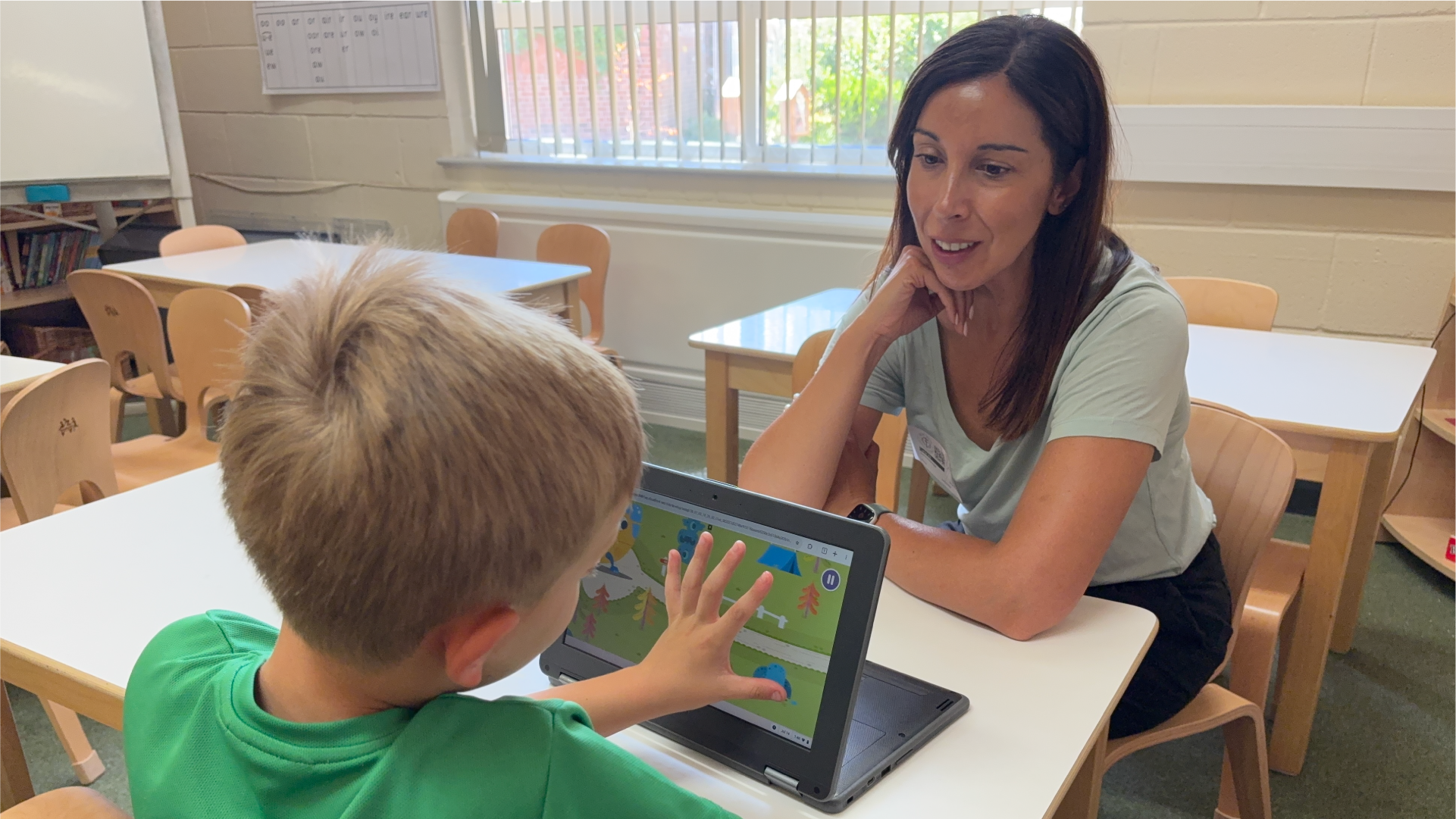
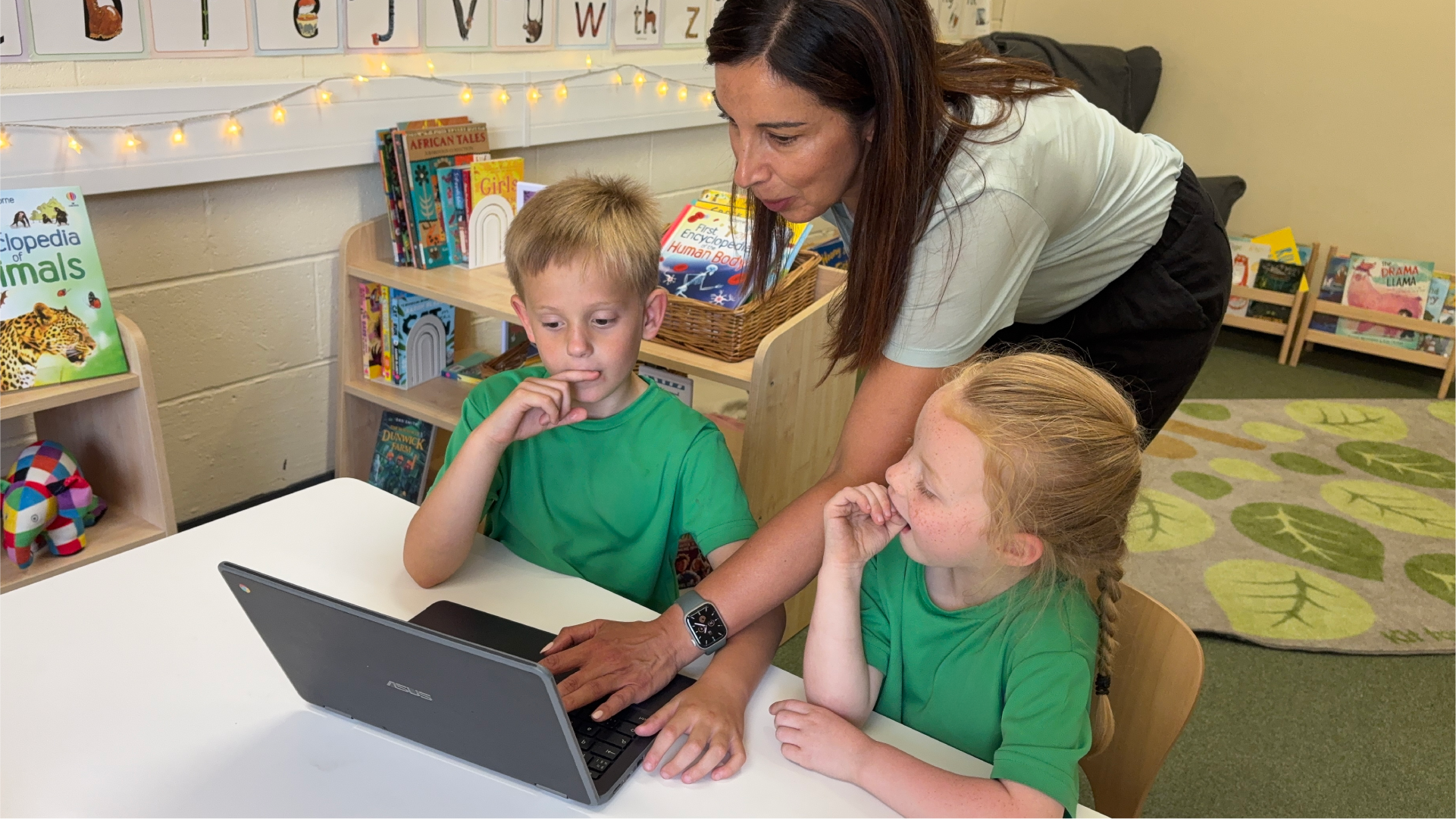
Carla Vij, our User Researcher, has worked closely with children considered to be ‘ at- risk’ of a reading impairment during playtesting.
Carla has recently been testing our new version of Teach Your Monster to Read in schools with intervention groups, and reports, “The children enjoyed helping us make our reading game even better through playtesting with us, whilst engaging in a multi-sensory and visual phonics activity provided through gameplay. The new game works at the child’s pace, allowing them that all-important practice through repetition.”
Carla has found it helps them build confidence, giving them a sense of control over their reading journey. It gives an individualised approach to reading whilst being fun and engaging for the children. Our goal, is that Teach Your Monster to Read (especially the new version in development) becomes an essential intervention tool for those who need it most.
*Francis et al., 1996; Juel, 1988; Shaywitz et al., 1999; Torgesen and Burgess, 1998
For more helpful information on Dyslexia and early testing, Visit gaablab.com/dyslexia-myths.

Kay Leathers
Designer, Ex-Teacher and Writer for Teach Your Monster